Texture, light, and silence work together.
Translate sensory overwhelm into specific room fixes. Guided by sensory mechanics, not guesswork. Neurodivergent adults and parents recognize sensory distress in their homes through evidence-based assessment and targeted material solutions.
Start AssessmentWhat does overwhelm feel like in your space?
Start with your body. Pick the sensory signals that match your discomfort.
Tactile
Rough textures, seams, tags, or fabric weight trigger irritation or avoidance.
Auditory
Sudden noises, hum frequencies, or echo patterns cause startle or fatigue.
Visual
Glare, flicker, clutter, or high contrast create eye strain or overwhelm.
Olfactory
Strong scents, off-gassing, or lingering odors trigger nausea or headache.
Proprioceptive
Furniture height, spacing, or movement feedback affects comfort and focus.
Vestibular
Lighting motion, air currents, or spatial geometry cause dizziness or unease.
Why soft-close drawers reduce startle responses
One room, three sensory mechanics explained. Before-and-after reasoning grounded in sensory science.
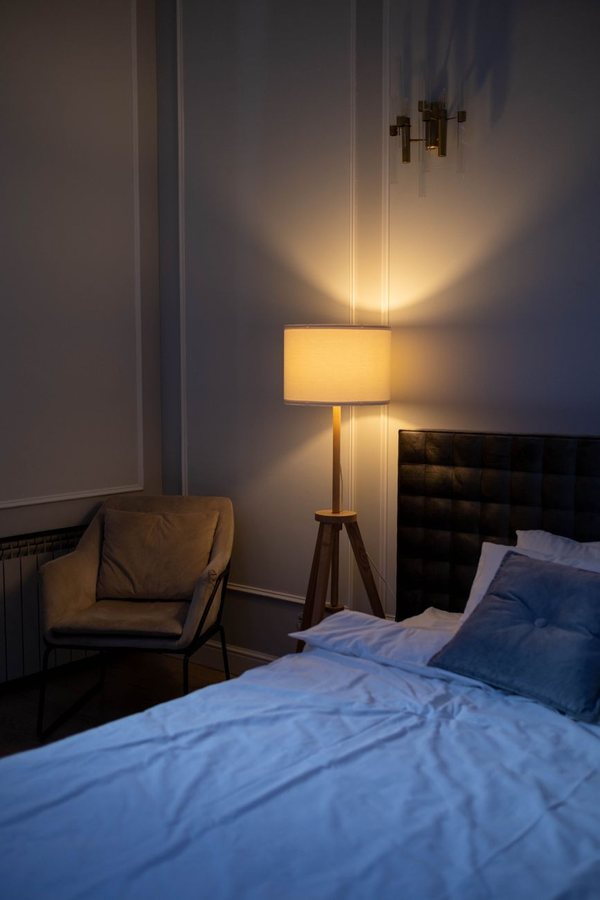
Acoustic Impact Reduction
Standard drawer slam peaks at 85dB (alarm threshold). Soft-close mechanism dampens high-frequency transients, reducing peak to 45dB and eliminating startle trigger for sound-sensitive nervous systems.
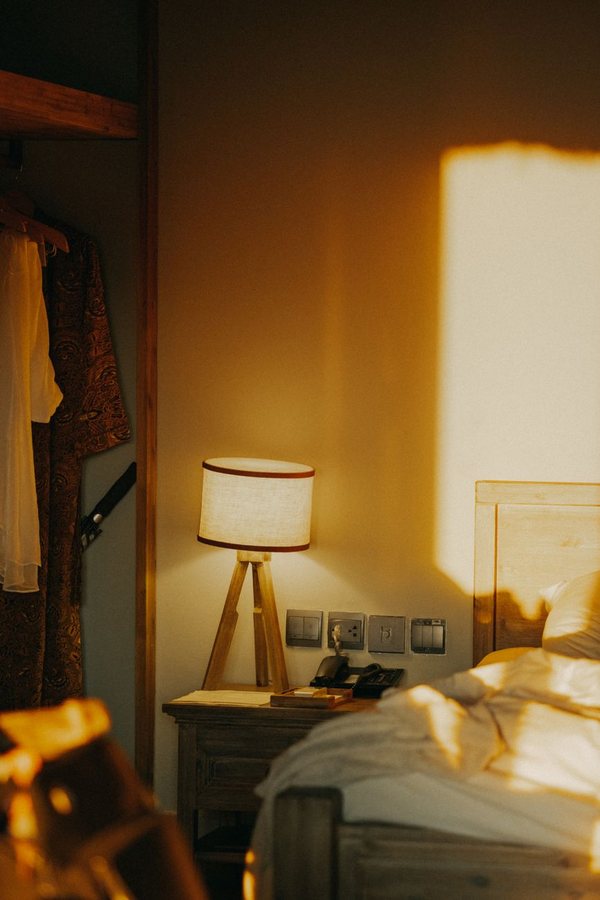
Mechanical Damping
Hydraulic buffer absorbs kinetic energy over 0.8 seconds instead of 0.05 seconds, converting sudden impact into gradual deceleration.

Frequency Shift
Eliminates 2–8kHz spike (human startle band). Remaining sound stays below 50dB and shifts to lower frequencies, perceived as ambient rather than alarming.
Sensory Material Library
Texture samples and acoustic properties. Know what you're adding to your room.
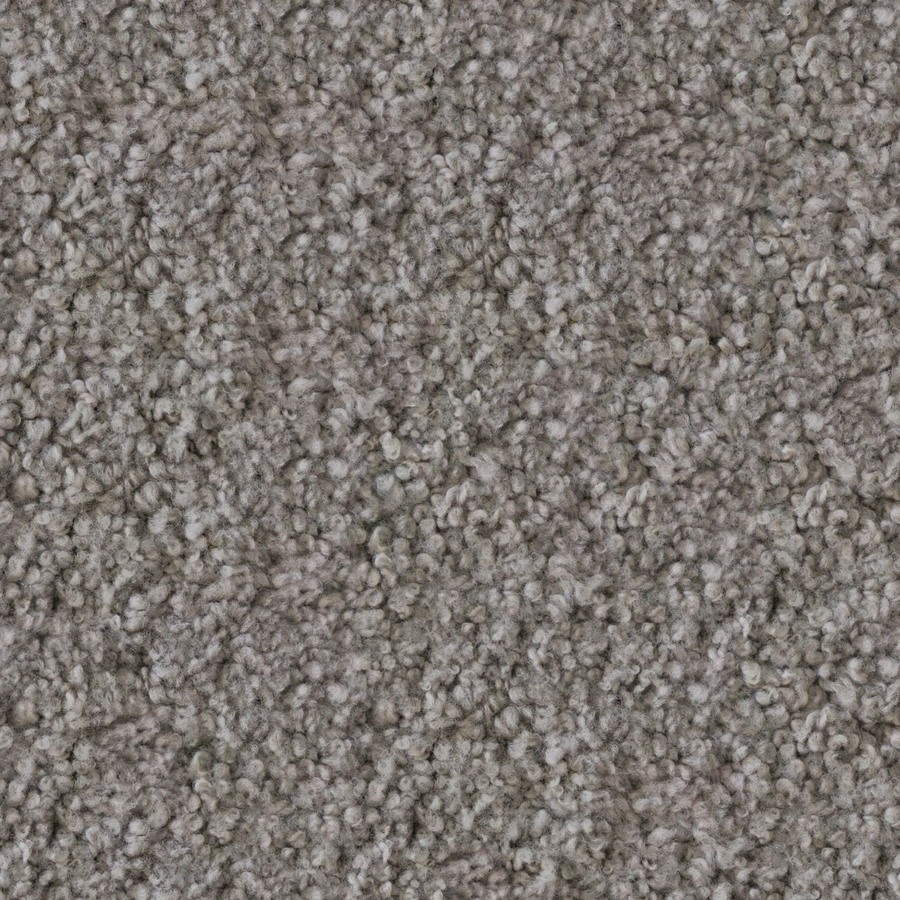
Wool Felt
Acoustic: High absorption (0.8 NRC)
Best for: Wall panels, cushions

Plywood (Sealed)
Acoustic: Moderate reflection (0.3 NRC)
Best for: Shelving, desk surfaces
Cork Board
Acoustic: Good absorption (0.6 NRC)
Best for: Bulletin boards, accent walls
Room-type solutions: tactile, auditory, visual
Bedroom. Living room. Office. Each has distinct sensory triggers and fixes.
Bedroom
Sleep quality depends on low-frequency hum elimination and tactile comfort. Prioritize acoustic isolation and natural fiber bedding.
- Replace HVAC with variable-speed unit
- Add wool blanket layers
- Install blackout curtains (thermal + light)
- Use cork or felt underlay
Living Room
Shared space requires visual zoning and echo control. Separate sensory zones by material and acoustic treatment.
- Arrange furniture to break sound paths
- Add area rug (wool, 1–2 inches pile)
- Use fabric wall panels as art
- Install dimmers on all lighting
Office
Focus requires visual stability and auditory predictability. Eliminate flicker, hum, and unexpected noise sources.
- Replace fluorescent with full-spectrum LED
- Use desk-mounted acoustic screen
- Choose smooth, non-reflective surfaces
- Add white-noise machine or fan
Kitchen
High sensory load from appliances, hard surfaces, and task lighting. Isolate noise sources and soften reflections.
- Install soft-close hinges and drawers
- Add felt pads under small appliances
- Use matte finishes on counters
- Mount task lighting under cabinets
Sensory-Friendly Store
Soft-close, low-glare, tactile-calm materials — tagged by sensory profile.
Free delivery across Marmara Region on orders over ₺5,000 · 14-day return policy · Secure payment via bank transfer or card on delivery
Tell us about your space
Describe your sensory challenges. We'll send tailored guidance.